

Energy efficiency is no longer a bonus feature in new homes. It is becoming a baseline requirement. The introduction of 7-star energy standards in residential construction has changed how suburban houses are designed. These standards focus on thermal performance, insulation, glazing, orientation, and overall building envelope efficiency. As a result, home layouts are evolving, prompting homeowners to consult professionals and even view best electricians to support compliant and efficient installations. This shift is not only technical. It influences how rooms are positioned, how windows are sized, and how families move through their homes.
Orientation as a Design Priority
One of the most noticeable changes under 7-star standards is the importance of orientation. Homes are no longer placed on blocks without considering sun paths. Designers study how sunlight enters the property throughout the day and across seasons. Living areas are often positioned to face north in the southern hemisphere. This allows winter sun to warm interiors naturally. Bedrooms and service areas may be located on cooler sides of the house. The goal is to reduce reliance on artificial heating and cooling. This emphasis reshapes traditional suburban layouts. Instead of placing rooms purely for street appeal, planners balance curb presence with solar access. Orientation decisions now influence the entire floor plan.
Compact and Functional Floor Plans
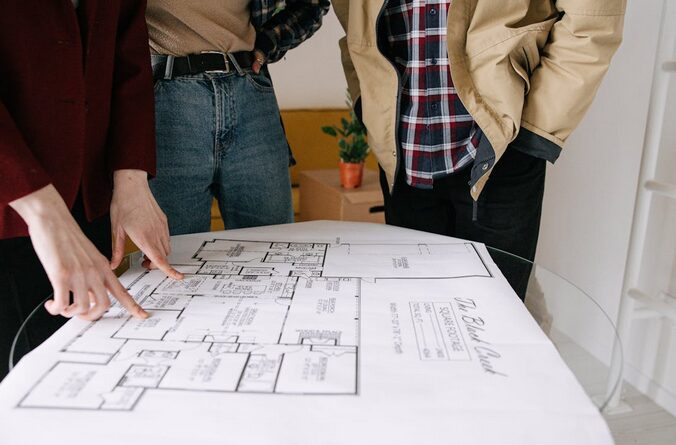
Large open spaces once defined many suburban homes. Expansive voids and oversized living zones were common. Under stricter energy standards, designers are reconsidering this approach. Compact layouts perform better thermally. Smaller footprints reduce heat loss. Internal zoning allows certain areas to be heated or cooled separately. This design strategy improves efficiency without sacrificing comfort. Hallways are being shortened. Multi-purpose rooms are gaining popularity. Spaces are planned with flexibility in mind. Every square meter must justify its energy cost. This practical mindset encourages thoughtful planning rather than excess.
Window Placement and Glazing Strategy
Windows remain central to suburban design, yet their placement is now more strategic. Large panes of glass can increase heat gain in summer and heat loss in winter. Achieving a 7-star rating requires careful balance. Designers use high-performance glazing and adjust window sizes based on orientation. Shading elements such as eaves and pergolas are integrated into the structure. These features block harsh summer sun while allowing winter light inside. The visual impact remains important. Natural light is still valued. However, it is controlled rather than excessive. Window-to-wall ratios are calculated, not assumed. This precision shapes both interior ambiance and exterior appearance.
Improved Building Envelope and Material Choices
The building envelope has become a focal point. Insulation levels are higher. Wall systems are designed to reduce thermal bridging. Airtight construction techniques are more common. These requirements influence layout decisions. Service cavities may be included to protect insulation layers. Roof designs accommodate thicker materials. Even garage placement can affect overall thermal performance. Material selection is also evolving. Builders consider not only durability but thermal properties. Lightweight cladding may be paired with advanced insulation systems.
Outdoor Integration and Passive Cooling
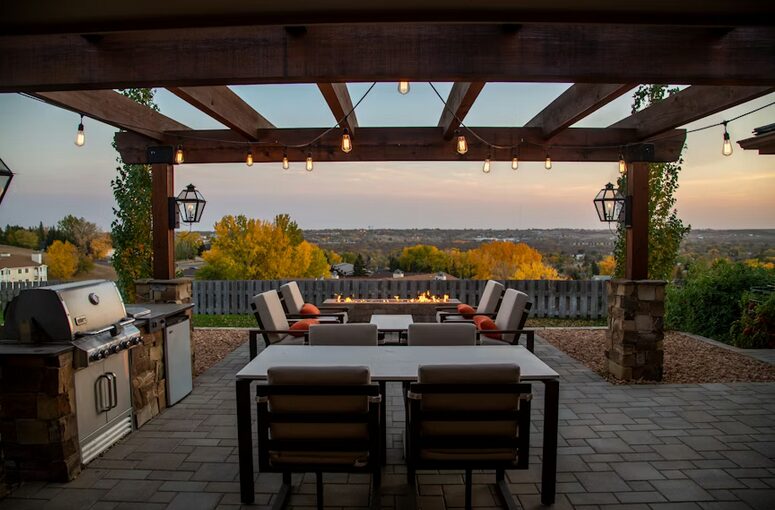
Suburban homes often include outdoor living areas. Under 7-star standards, these spaces play a strategic role. Covered patios and verandas provide shading. Landscaping contributes to passive cooling. Tree placement is no longer purely decorative. Deciduous trees may be planted to block summer heat and allow winter sun. Cross-ventilation pathways are integrated into floor plans. Windows and doors align to promote airflow. Ceiling heights and roof vents can support natural cooling. Instead of relying solely on air conditioning, homes are designed to work with the local climate.
Lifestyle Adjustments and Future-Proofing
Energy standards also influence how families use their homes. Zoned living areas encourage mindful energy consumption. Home offices are positioned to benefit from daylight without overheating. Utility rooms are insulated and sealed more effectively. Buyers are becoming more aware of running costs. A 7-star home signals long-term savings. Developers respond by marketing energy performance as a core feature. Future-proofing is another consideration. As energy prices fluctuate and climate conditions shift, efficient layouts provide resilience. Homes built to higher standards adapt more easily to technological upgrades such as solar panels or battery storage.
7-star energy standards are not simply regulatory hurdles. They are reshaping how suburban homes are conceived and constructed. Orientation guides layout. Compact planning improves efficiency. Windows are positioned with intention. Materials and insulation receive greater attention. These changes promote smarter design. They encourage collaboration and long-term thinking. While aesthetics remain important, performance now holds equal weight. As suburban development continues, energy standards will likely become even more stringent. Homes built today must balance comfort, cost, and environmental responsibility. The influence of 7-star standards demonstrates that sustainable living begins at the design stage.