

Energy efficiency is no longer a bonus feature in new homes. It is becoming a baseline requirement. The introduction of 7-star energy standards in residential construction has changed how suburban houses are designed. These standards focus on thermal performance, insulation, glazing, orientation, and overall building envelope efficiency. As a result, home layouts are evolving, prompting homeowners to consult professionals and even view best electricians to support compliant and efficient installations. This shift is not only technical. It influences how rooms are positioned, how windows are sized, and how families move through their homes.
Orientation as a Design Priority
One of the most noticeable changes under 7-star standards is the importance of orientation. Homes are no longer placed on blocks without considering sun paths. Designers study how sunlight enters the property throughout the day and across seasons. Living areas are often positioned to face north in the southern hemisphere. This allows winter sun to warm interiors naturally. Bedrooms and service areas may be located on cooler sides of the house. The goal is to reduce reliance on artificial heating and cooling. This emphasis reshapes traditional suburban layouts. Instead of placing rooms purely for street appeal, planners balance curb presence with solar access. Orientation decisions now influence the entire floor plan.
Compact and Functional Floor Plans
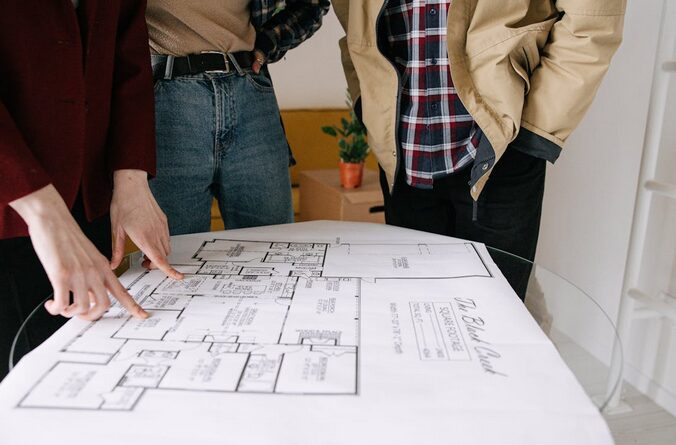
Large open spaces once defined many suburban homes. Expansive voids and oversized living zones were common. Under stricter energy standards, designers are reconsidering this approach. Compact layouts perform better thermally. Smaller footprints reduce heat loss. Internal …