
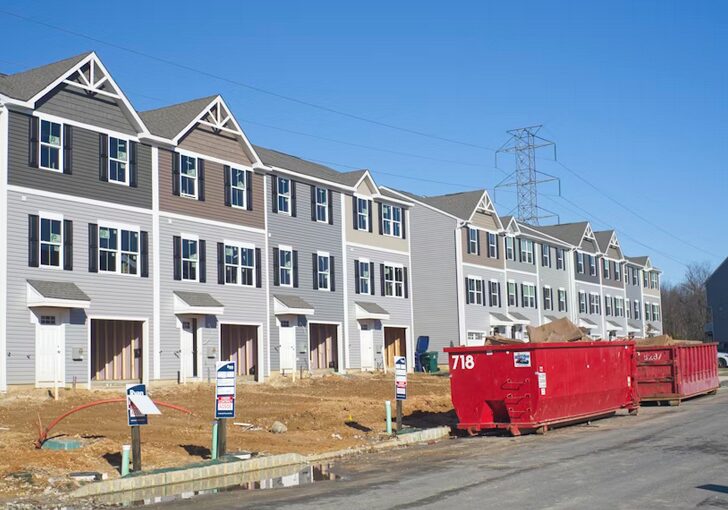
Across many regions, the demand for housing continues to outpace supply. Rising populations, urban migration, and limited land push traditional construction methods to their limits. For countless families, this creates barriers to affordable and accessible homes. The shortage is not only an economic issue but also a social one. Fortunately, solutions from uamr prove innovative, efficient, and scalable to meet the needs of modern communities.
Prefabrication as a Practical Answer
Prefabricated homes present a strong alternative to conventional building. Constructed in factories and assembled on-site, these homes offer speed and efficiency. Unlike traditional methods, weather delays and inconsistent labor quality are minimized. This streamlined process helps deliver homes faster while keeping costs under control. For housing markets under pressure, the benefits of prefab construction are significant.
Speed Without Sacrificing Quality
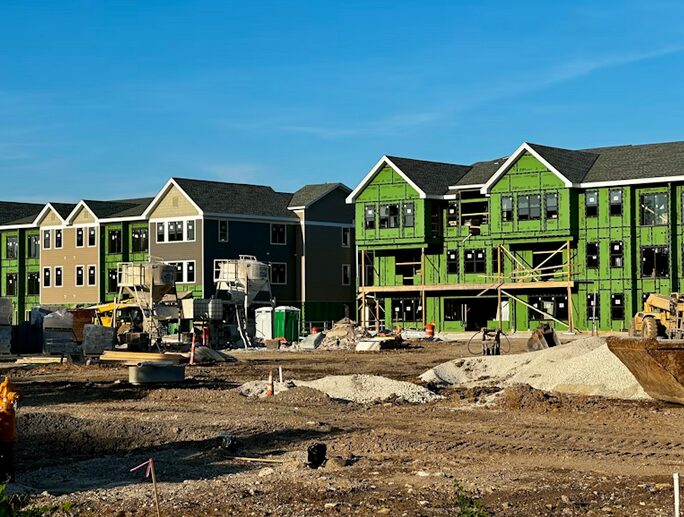
Time is one of the biggest challenges in addressing housing shortages. Prefabricated homes can be built in a fraction of the time compared to traditional houses. Assembly-line precision ensures that each unit meets consistent standards. Homeowners receive reliable quality without long waiting periods. This ability to combine speed with durability makes prefab construction especially valuable in regions facing urgent housing demands.
Affordability Through Efficiency
High construction costs often make homeownership unattainable. Prefabricated homes reduce these costs by using efficient production techniques and bulk material purchasing. Less waste is generated, and labor expenses are lower. This affordability opens doors for first-time buyers, renters, and families seeking budget-friendly housing. It also allows governments and organizations to invest in large-scale housing projects at …