
Creating a beautiful and functional yard while staying mindful of the environment is easier than ever with eco-friendly fencing options. These sustainable choices not only enhance your outdoor space but also reduce your environmental footprint. Fence Care and Maintenance are crucial to ensure your eco-friendly fence remains in top condition and continues to serve its purpose effectively. Here’s a guide to some of the best eco-friendly fencing options available today, helping you make a green choice for your yard.
Bamboo Fencing
Bamboo is a rapidly renewable resource, making it an excellent choice for eco-friendly fencing. It grows much faster than traditional wood and doesn’t require replanting after harvesting.
Benefits:
- Sustainable Growth: Bamboo can grow up to 3 feet per day, making it one of the fastest-growing plants on the planet.
- Durable and Strong: Despite its lightweight appearance, bamboo is incredibly strong and resilient.
- Aesthetic Appeal: Bamboo fencing adds a natural, tropical look to your yard, blending seamlessly with greenery.

Recycled Composite Fencing
Recycled composite fencing combines recycled wood fibers and plastic to create a durable and low-maintenance fencing material.
Benefits:
- Eco-Friendly Materials: Made from recycled materials, composite fencing helps reduce waste.
- Long-Lasting: Resistant to rot, insects, and weathering, composite fencing has a longer lifespan than traditional wood.
- Minimal Maintenance: Requires little upkeep compared to natural wood, saving time and resources.
Reclaimed Wood Fencing
Using reclaimed wood for fencing gives new life to old materials, reducing the demand for freshly cut lumber and minimizing waste.
Benefits:
- Sustainability: Reusing wood helps conserve

 Before searching for an architect, clearly define your goals and vision for your dream home. Consider factors such as architectural style, functionality, sustainability, and any specific requirements you have. By having a well-defined list of objectives, you can effectively communicate your expectations to potential architects, ensuring they understand your vision from the outset. Understanding your goals will also help you assess whether a particular architect aligns with your vision and has the necessary expertise to bring it to life.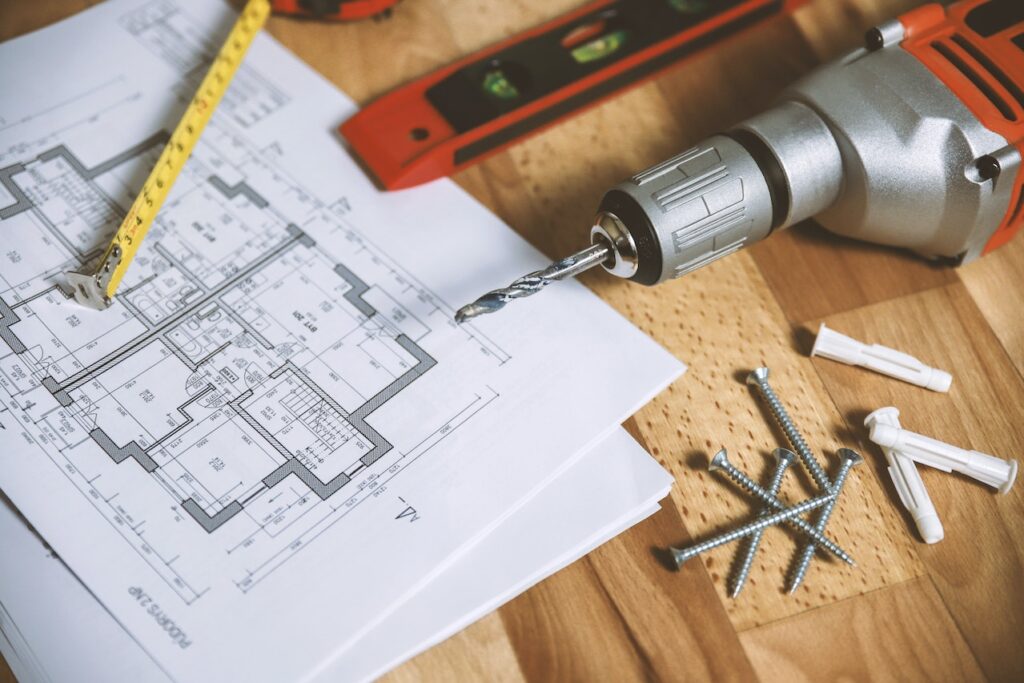
 When it comes to designing your home, one important factor to consider is sustainability. In today’s world, where environmental consciousness is growing rapidly, incorporating eco-friendly elements into your design can make a significant difference. Start by choosing materials that are sustainable and have a minimal impact on the environment. Opt for renewable resources like bamboo or reclaimed wood instead of traditional hardwood options. Additionally, look for products with certifications, such as Energy Star or LEED that meet specific sustainability criteria.